
Unraveling the historical evolution of gambling practices over the centuries
The Origins of Gambling
The history of gambling can be traced back to ancient civilizations, where the act of wagering was often tied to religious rituals and events. Archaeological findings suggest that as early as 3000 BCE, Chinese citizens were using rudimentary forms of dice made from bone, indicating a structured approach to chance-based games. These early games provided not only entertainment but also a means for communities to engage in social bonding and decision-making processes. Today, players can discover similar captivating experiences at mistergolden.uk, where a vast selection of games awaits.

In ancient Rome, gambling was firmly embedded in the culture, especially among soldiers and aristocrats. The Romans utilized various forms of games of chance, including betting on gladiatorial contests and chariot races. The legal framework surrounding gambling began to emerge during this time, with regulations set to control the activities and prevent excessive risks, illustrating the societal recognition of gambling’s potential impact on individuals and communities.
As societies evolved, so did gambling practices. The introduction of cards in Europe during the 14th century marked a significant turning point. Playing cards, which likely originated from Chinese games, spread rapidly across the continent, giving rise to various card games that are still popular today. This transition not only diversified the types of gambling available but also reflected cultural exchanges and innovations within the European context.
The Regulation and Popularization of Gambling
The 17th century marked a pivotal moment in the history of gambling as governments began to recognize the potential for taxation and regulation. The establishment of official lottery systems, particularly in England, signified a formal endorsement of gambling as a source of revenue. Lotteries were used to fund public projects, such as roads and bridges, indicating a shift in how society perceived gambling, from a mere pastime to a structured form of public finance.
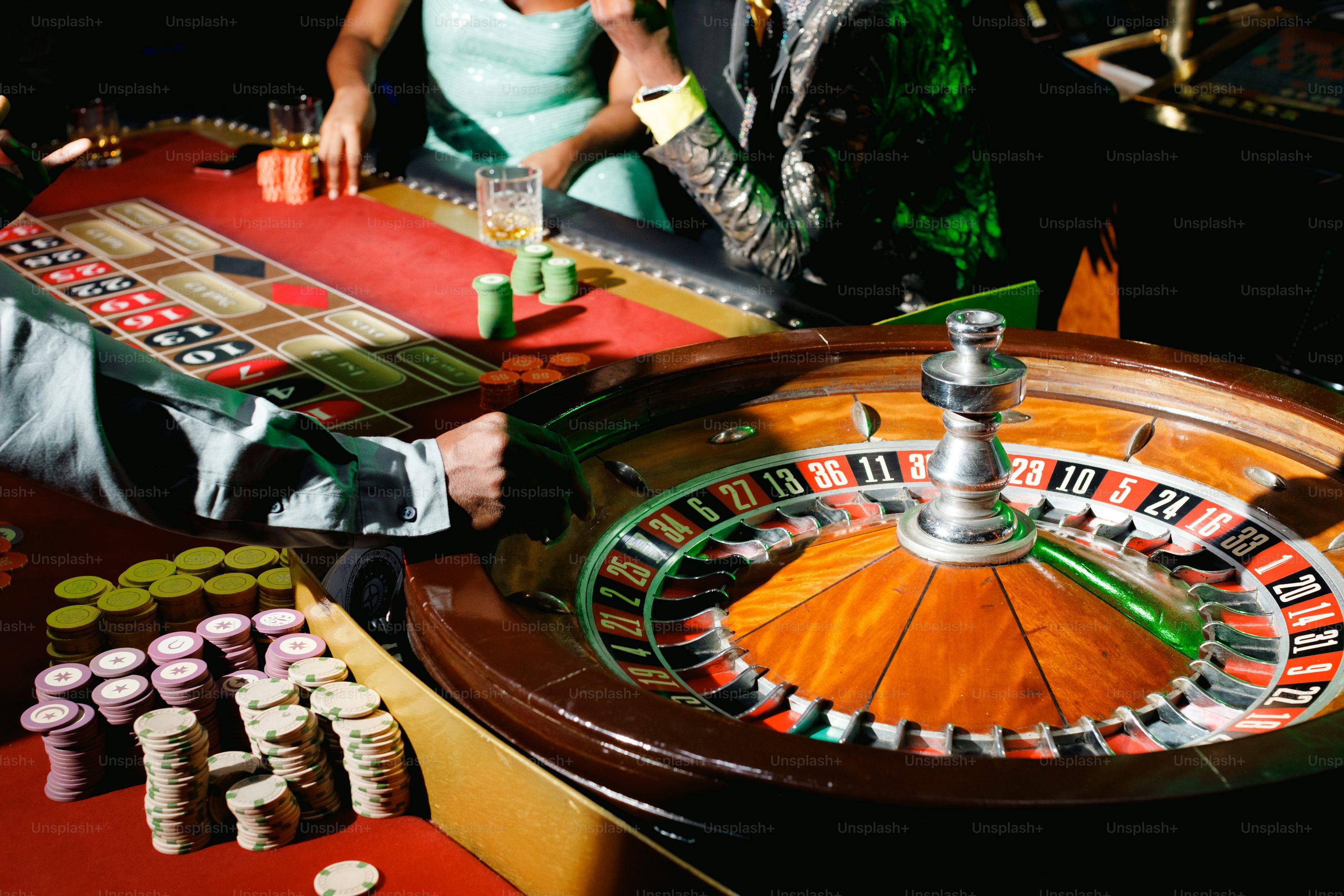
During the 18th century, the emergence of casinos brought gambling into a more organized environment. The first official casino opened in Venice in 1638, and by the late 1700s, establishments designed specifically for gambling proliferated across Europe. These casinos not only provided a venue for games like roulette and baccarat but also became social hubs, blending entertainment with opulence, attracting a diverse clientele eager to experience the thrill of chance.
The evolution of gambling continued into the 19th century, where the proliferation of betting shops and the establishment of horse racing tracks further solidified gambling’s place in society. The Gaming Act of 1845 in England set out regulations for betting houses, reflecting an increasing acknowledgment of the need for control within the industry. This period also saw the rise of gambling as a popular form of leisure, appealing to all social classes and setting the stage for modern gaming practices.
The Influence of Technology on Gambling
The 20th century introduced groundbreaking changes to gambling, primarily driven by technological advancements. The invention of the slot machine in the late 19th century revolutionized the gambling landscape, making games of chance accessible to a broader audience. These machines, with their colorful designs and enticing payouts, became a staple in bars and restaurants, paving the way for the growth of casinos in urban areas.
The advent of the internet in the late 20th century brought about the most significant transformation in gambling practices. Online casinos emerged in the mid-1990s, allowing players to engage in gaming from the comfort of their homes. This innovation not only expanded the reach of gambling to those who may not have visited physical casinos but also created new forms of games, like online poker and virtual slot machines, which have continued to evolve.
Mobile technology has further accelerated this evolution, enabling players to gamble via smartphones and tablets. The rise of mobile casinos has made gaming more accessible, allowing users to enjoy their favorite games anytime and anywhere. This shift has led to increased participation in gambling activities, as operators optimize their platforms for mobile users, resulting in a significant change in player demographics and behaviors.
The Rise of Online Gambling and Regulation Challenges
The growth of online gambling has presented unique challenges and opportunities for regulation. With players now able to access gambling sites globally, governments face the dilemma of ensuring player protection while fostering industry growth. Countries have responded with varying degrees of regulation, from outright bans to licensing frameworks, attempting to strike a balance between safeguarding consumers and encouraging responsible gambling.
Issues such as gambling addiction and fraud have prompted discussions on the need for effective regulation in the online space. Many jurisdictions have implemented measures like self-exclusion programs and age verification protocols to mitigate these risks. The conversation around responsible gambling has gained prominence, with operators increasingly focusing on player safety and promoting responsible gaming practices.
Furthermore, advancements in technology, such as blockchain and cryptocurrencies, are shaping the future of online gambling. These innovations offer potential solutions for transparency and security, addressing concerns related to fairness and trustworthiness. As the industry continues to adapt to these changes, the regulatory landscape will also evolve, ensuring that gambling remains a safe and entertaining activity for all players.
Mister Golden Casino: A Modern Gaming Experience
Amid the historical evolution of gambling, platforms like Mister Golden Casino exemplify the contemporary gaming landscape. Established in 2017, this online casino offers a diverse range of gaming options, including slots, table games, and live dealer experiences. With an expansive library of over 3,000 games, players are sure to find something that caters to their preferences, all delivered in an engaging online environment.
Mister Golden Casino prioritizes user experience, offering a user-friendly interface and secure payment options. The flexible welcome bonus of up to 1,000 EUR for new players reflects the competitive nature of the online gaming market and aims to attract a broad audience. Regular promotions for existing members further enhance player engagement, encouraging loyalty and repeated visits.
In addition to its extensive gaming selection, Mister Golden Casino is committed to customer satisfaction, providing 24/7 support to assist players with any inquiries or concerns. As the online gambling landscape continues to evolve, Mister Golden Casino stands as a reliable option for those seeking both excitement and rewards in their gaming endeavors.